Putting a name on an object is one of the oldest habits in commerce. Long before anyone in Singapore could order a mug with a wedding photo on it, households stitched initials into linen so it came back from the laundry, and merchants stamped their marks onto crates. Personalised merchandise is less a modern trend than an old instinct that keeps finding new materials.
Four turns in the story
- Monograms and seals. Initials on cloth, silver and wax told people who owned a thing. They were about identity first and decoration second.
- Studio portraits. Once photography arrived, families paid to have their likeness kept, and that likeness soon moved onto lockets, plates and calendars.
- Screen printing and the slogan tee. Faster printing made short runs of custom T-shirts possible for clubs, schools and companies.
- Print on demand. Digital files and heat transfer meant a single item could be produced for a single person, with no minimum order.
Where pets entered the picture
For most of that history, animals were the subject of portraits rather than the owners of products. That changed when made-to-order printing became practical for small shops. If a printer can produce one shirt for one customer, it can just as easily produce one strap for one dog. The pet stops being a stock paw print and becomes a specific face with a specific name.
The harness as the newest chapter
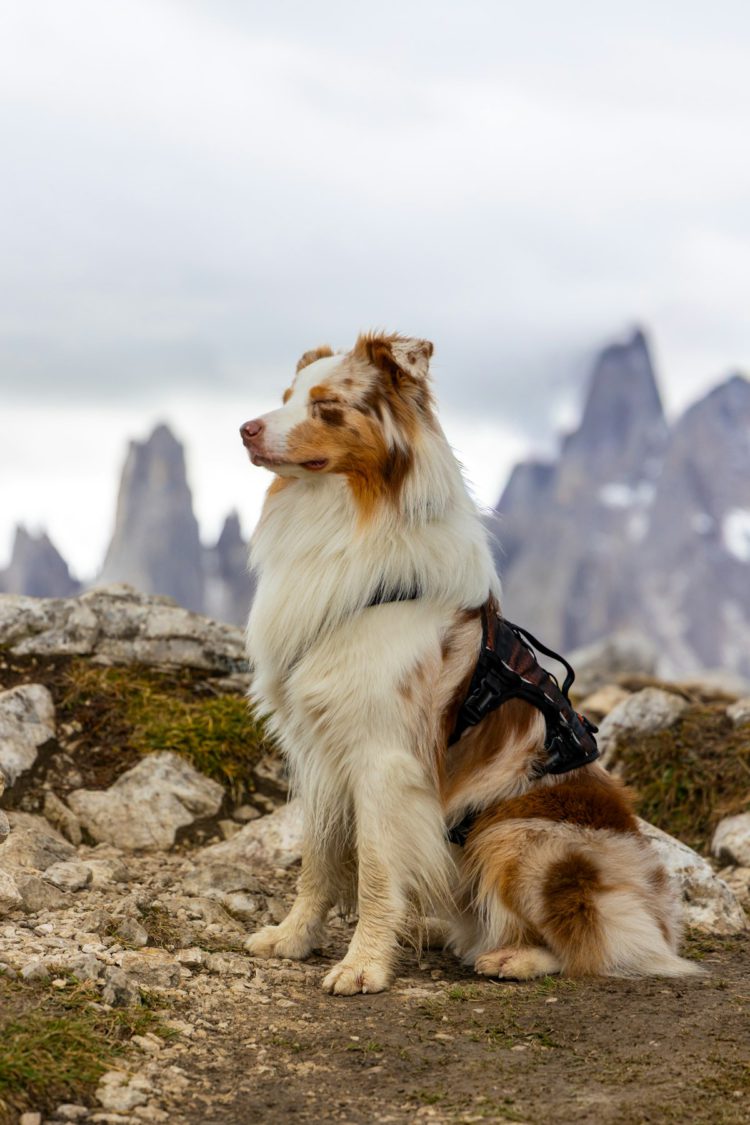
A personalised dog harness follows the same line that runs from monogrammed linen to the photo calendar: it marks ownership and affection at once. The version made by Little Red Cute starts with one photo of your dog. Once it is uploaded and a style chosen, that picture becomes the source for your dog’s illustration. A preview then shows the chest panel carrying your dog’s face and name, and it is yours to approve before any payment. Production waits for that approval; then your harness is put together to order in Singapore.
Underneath the artwork sit polyester, neoprene and mesh fabric; the strap adjusts, and you can choose XS, S, M or L. The artwork goes on by sublimation, a process in which heat presses the design into the material instead of leaving it on top like a sticker or patch.
Why the old instinct still works
Generic gear with a printed bone or paw pattern is the modern equivalent of an unmarked crate: useful, but it says nothing about who it belongs to. Monograms survived for centuries because people like objects that could only be theirs. A harness carrying your own dog’s portrait is simply that instinct applied to the member of the household who goes out walking twice a day.
For the upload, choose a picture taken in daylight with your dog’s face clear and turned roughly towards the camera. A phone shot is enough. The history of personalised goods has always been about recording someone particular, and that is the whole point here too.
